Hotelier Guide · May 2026 · RevParGenius Intelligence · Last reviewed May 2026
OTAs charge hotels roughly 15–25% commission — Booking.com averages about 15% (10–25%), Expedia 18–22%, climbing past 25% with preferred placement and ads. A direct booking costs roughly 4.5% all-in once you account for payment fees and your booking engine. On a A$200 room that's about A$36 to an OTA versus A$9 direct — A$27 kept per booking. OTAs still drive about 63% of independent-hotel bookings, so the goal isn't to drop them; it's to shift your highest-value, repeat guests to direct.
Every hotelier knows OTAs cost money. Far fewer have done the actual arithmetic on what a direct booking saves — and at what point chasing direct stops paying off. Here's the 2026 math, with real commission figures.
The honest answer is not "go 100% direct." OTAs still deliver demand you cannot reach alone. The answer is knowing your true cost per channel so you can move the bookings that should be direct — repeat guests, brand searches, loyalty — off the commission line.
The cost of distribution · 2026
What OTAs really cost in 2026
Booking.com charges most properties around 15%, ranging 10–25% by market and visibility tier. Expedia Group typically runs 18–22%. But the headline rate is the floor: preferred-placement programs, sponsored visibility and loyalty-program commissions can push the effective rate past 25%. On every OTA booking, that comes straight off the top of your room revenue before a single cost of service is covered.
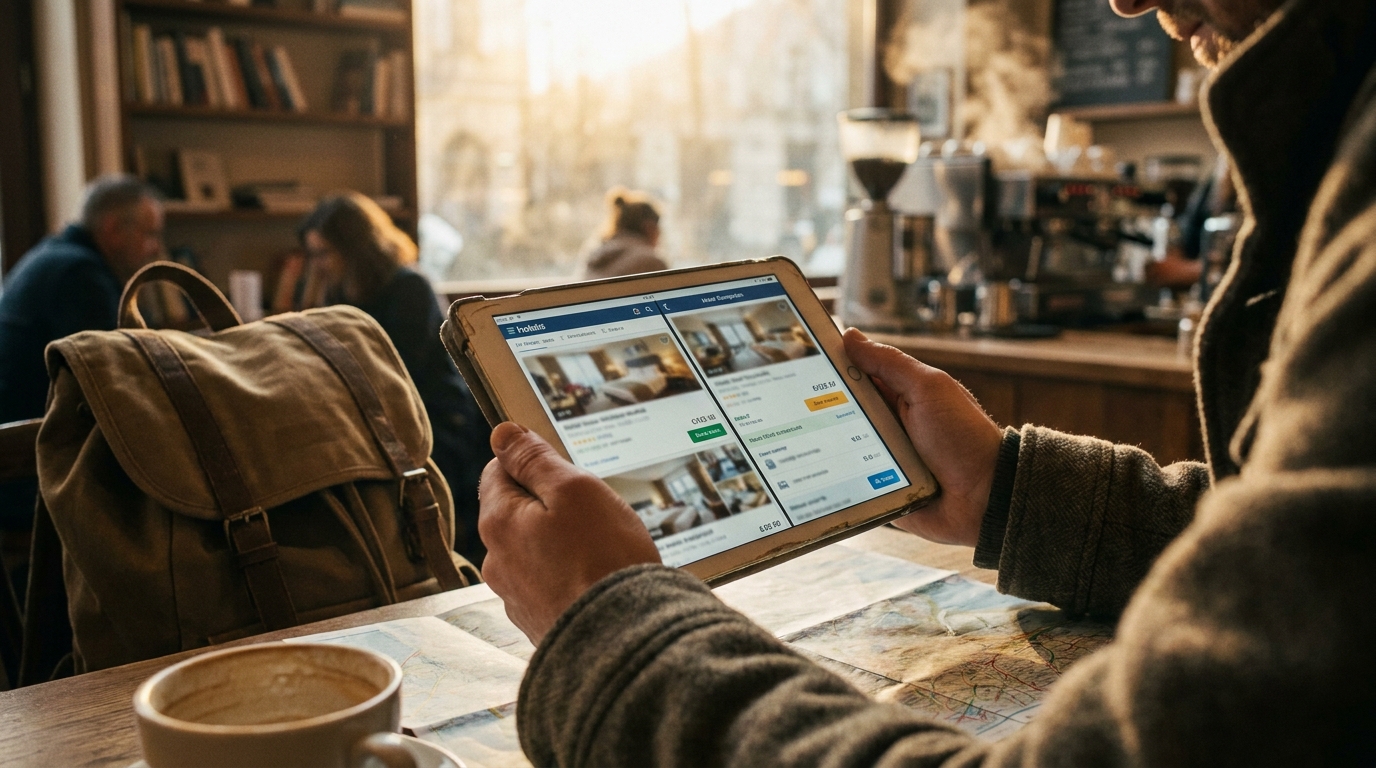
There are softer costs too: rate parity pressure, the OTA owning your guest's email and data, and the "billboard effect" where guests find you on an OTA and you never get the chance to convert them direct.
The true cost of a "direct" booking
Direct is not free. A realistic all-in direct cost lands near 4.5% once you include payment-processing fees (around 1.5–2.5%), your booking-engine fee (often 1–3% or a flat fee), and a share of marketing spend. The point is the gap: even a generously costed direct booking sits far below a 15–25% OTA commission.
OTA booking at 18%: A$36 in commission. Direct booking at 4.5%: A$9. You keep A$27 per booking. Shift just 5 bookings a week to direct and that's roughly A$7,000 a year kept — on a single A$200 room rate, before any rate gains.
When going direct actually pays — and when it doesn't
Direct pays most on demand you already own: repeat guests, brand searches, and travellers who'd book you anyway. Paying 4.5% to capture a guest who found you on an OTA and came back is pure margin. It pays least when you'd have to buy that demand — spending heavily on ads to win a guest an OTA would have delivered can cost more than the commission you saved.
The 2026 trend is moving your way: OTAs hold about 63% of independent-hotel bookings today, but direct digital channels are growing, and Skift projects direct could overtake OTAs as the dominant channel by 2030. The hotels that win are the ones converting OTA-discovered guests into direct repeat bookings, not the ones trying to abandon OTAs overnight.
Three moves to shift your channel mix
Make your direct rate the best available rate — even a small direct-only perk (free breakfast, late checkout) beats matching the OTA.
Capture the guest's email at every OTA stay and earn the next booking direct — that is where the billboard effect works for you.
Make sure your own site is fast, mobile-first and bookable in two clicks — and findable in AI search, where brand-name queries increasingly resolve.
RevParGenius Take
The OTA commission isn't the enemy — blindly paying it on guests you already own is. At 18% versus 4.5%, every booking you shift to direct keeps roughly A$27 on a A$200 room.
Keep the OTAs for reach. Win back the repeat and brand-search guests for direct. That mix — not a purist all-direct stance — is what protects margin in 2026.
Frequently asked questions
How much commission does Booking.com charge hotels in 2026?
Booking.com commission averages around 15%, ranging from about 10% to 25% depending on market and visibility tier. Expedia typically charges 18–22%. Effective rates can exceed 25% once preferred-placement and advertising programs are added.
What does a direct booking actually cost a hotel?
A direct booking costs roughly 4.5% all-in once you include payment processing, your booking engine and a share of marketing — far below a 15–25% OTA commission. On a A$200 room, that's about A$9 direct versus A$36 via an OTA at 18%.
Should independent hotels stop using OTAs?
No. OTAs still drive around 63% of independent-hotel bookings and provide reach you can't replace alone. The goal is to shift high-value, repeat and brand-search guests to direct while keeping OTAs for discovery and demand you couldn't otherwise capture.
Free Hotel Market Intelligence
Know your true cost per channel
We'll show you where your market is pricing and how to position your direct rate to win back margin from the OTAs.
Request Your Free AnalysisSee Our Website Design Service
No commitment. Just live data at revpargenius.com
Sources: Cloudbeds OTA commission guide (2026); industry OTA fee analyses (2026); independent-hotel channel-share and direct-cost reporting (2024–2026); Skift channel forecast. Figures are indicative ranges, not property-specific. Last reviewed May 2026. RevParGenius is an independent hotel market intelligence platform — not affiliated with any OTA, revenue management system, or hotel chain.